Crew Mates
Written by: Kelly Durham ’80
The first shots fired by the Germans against the English in World War II came at sea on September 3, 1939—and they came by accident. The young captain of the German submarine U-30 mistakenly identified the passenger liner Athenia as a British warship, firing two torpedoes and dispatching the vessel to the bottom of the North Atlantic. One hundred seventeen passengers and crew were killed, including twenty-eight Americans. Unwittingly, the German commander had violated the rules of submarine warfare by striking a liner without warning and without concern for the safety of its passengers and crew—a strategy that would soon be adopted by other belligerents. This was the opening encounter of the Battle of the Atlantic, the longest continuous military campaign of the war running from that September evening until the defeat of Germany in May 1945.
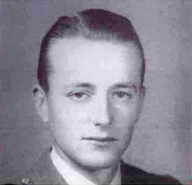
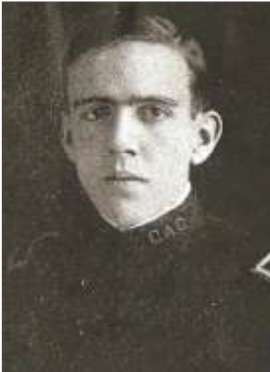
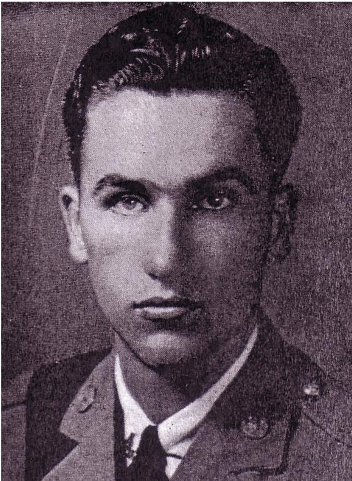
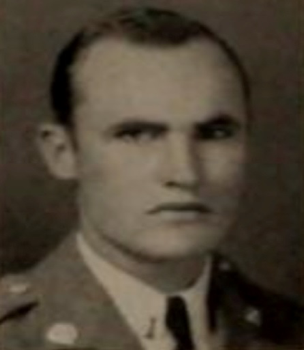
As the British battled the Germans at sea and in France, Rueben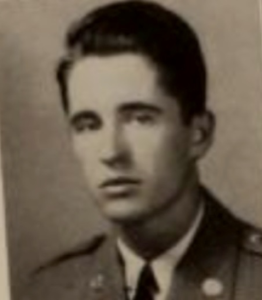 Lafayette Thomas, Jr., and his fellow cadets of Clemson’s Class of 1940 were preparing for their June 3 commencement ceremonies. Thomas, a textile engineering major from Spartanburg, soon found himself among the growing number of young men swapping their cadet uniforms for the uniform of the US Army. Thomas volunteered for the Army’s aviation program, earning his wings and being assigned to fly multi-engine bombers.
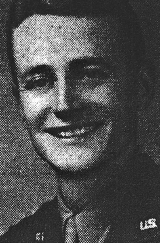
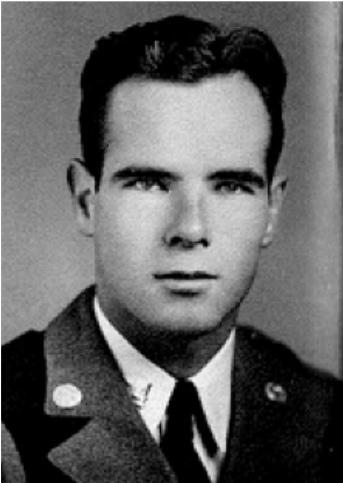
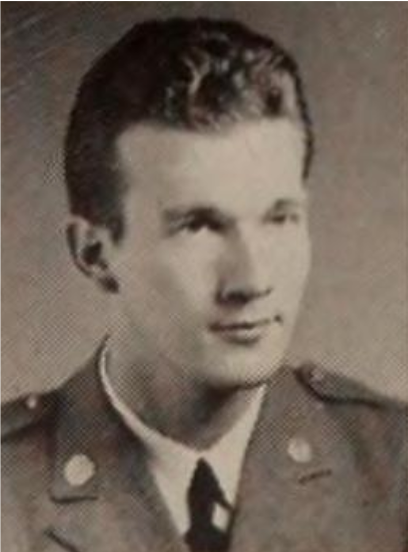
Deckerd Jefferson Gray, a general sciences major from Ware Shoals, had been a member of the cadet corps as well. A member of the Class of 1941, Gray stayed remained on campus only for his freshman year. He too soon found himself in an Army Air Forces uniform.
Fate and the crucial Battle of the Atlantic were about to bring these two Clemson men together.
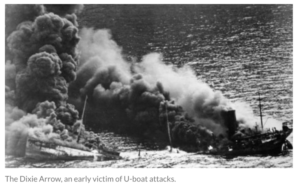
The British suffered severe losses of men, ships and goods to the German U-boat fleet during the first years of the war. Numbering just fifty-seven at the war’s outbreak, the Germans’ U-boat fleet would add 1100 more boats by war’s end. Once the United States was pulled into the conflict by the Pearl Harbor attack, U-boats quickly deployed to the waters off the American east coast. There they found, initially at least, good hunting.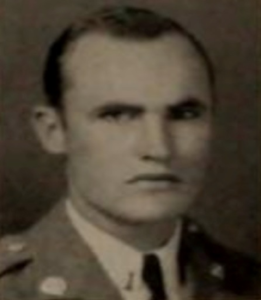
Beginning in January 1942, U-boats exacted a heavy toll on US and Allied merchant shipping transporting raw goods and finished products along the east coast and in the Gulf of Mexico. Over the first three months of the year, fifty-three ships were sunk. Based on March losses, the US was on pace to lose more than two million tons of shipping for the year. The “exchange rate,” defined as the ratio of merchant ships lost to U-boats sunk, would reach 89 to one for the year—a clearly unsustainable figure. American leaders scrambled to train the men and to create the organizations and equipment needed to counter the increasing U-boat threat.
The Navy had responsibility foroperations beyond the coastline, but, according to a 1945 Army Air Forces report entitled The Antisubmarine Command, “the shock of Pearl Harbor found the Navy quite unable to carry on the offshore patrol necessary to the fulfillment of its mission.” As a result, the burden for antisubmarine patrols fell mainly on the Army Air Forces whose units were neither trained nor equipped for this type of mission.
American strategists sought assistance from their British allies, whose survival as an island nation depended on defeating the U-boat menace which sought to encircle Great Britain and choke off its supply of food, petroleum and other vital goods. US forces learned from their British allies that close coordination between sea and air forces along with continuous offensive action were necessary to defeat the U-boat threat. As Army Air Forces and Navy units developed their command and control relationships and procedures, their coordinated attacks began to slowly push the U-boats out
of coastal waters.
The Army Air Forces’ 1st Bomber Command, including the 40th Bombardment Squadron, was given the task of protecting coastal shipping and attacking the U-boats. As coordination between air and sea units improved, shipping losses in coastal waters began to slowly decrease. Even as the U-boats gradually withdrew from the east coast and the Gulf, the Army established an Antisubmarine Command in November 1942.
The withdrawal of the U-boats from American waters did not mark victory in the Battle of the Atlantic, only a change of venue. German submarines continued to achieve remarkable success, sinking one hundred forty-two Allied ships in November alone, almost all of these in the North Atlantic. To help counter the continuing threat, the 40th Bombardment Squadron was redesignated the 4th Antisubmarine Squadron and moved its headquarters to the Royal Canadian Air Force base at Gander, Newfoundland. From there, the squadron flew antisubmarine patrols and convoy escort missions along North Atlantic shipping lanes.
By the spring of 1943, the Battle of the Atlantic had clearly swung in the Allies’ favor. Sinkings were down and the Allies pressed their advantage by forming the 479th Antisubmarine Group. The 4th Squadron moved its headquarters again, this time to the Royal Air Force base at Dunkeswell in southwestern England and began to hunt the hunters.
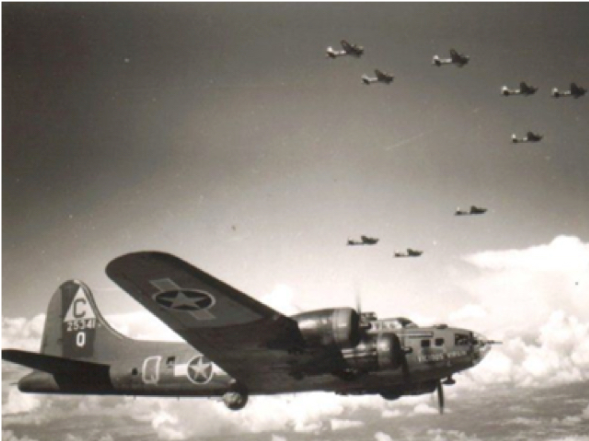
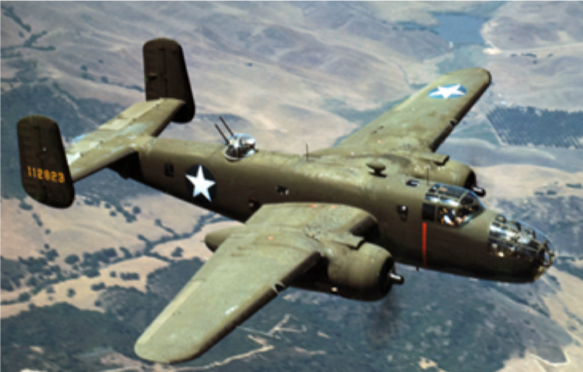
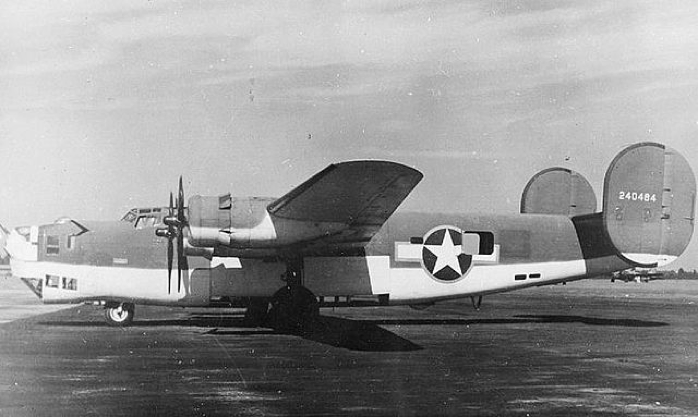
On August 8, 1943, Thomas, now a captain, the pilot of a modified B-24 heavy bomber, and a veteran of over one hundred twenty-five operational missions including eight hundred hours of combat time, took off on a patrol 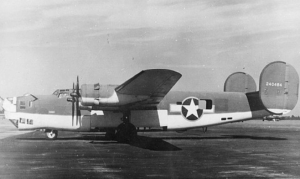 mission over the Bay of Biscay. The body of water separated western France from northern Spain and included the heavily fortified German U-boat base at Brest. The B-24D Liberator bombers flown by the 4th Squadron were modified with a special radar to help the crew locate—and attack—U-boats. The radar operator assigned to this flight was Technical Sergeant Deckerd Gray.
Between 1159 and 1225 hours, Thomas’s aircraft radioed that it was under attack from enemy fighter planes. No additional transmissions were received and the aircraft was listed as “overdue” at 1920 hours. Over the next day and a half, search aircraft failed to find any signs of the aircraft or its crew.
Thomas, Gray and the eight other members of the crew were listed as missing. Gray was awarded the Air Medal with oak leaf clusters. Thomas was awarded the Distinguished Flying Cross and the Air Medal with oak leaf clusters. The official history of the 4th Antisubmarine Squadron noted that “This was an old crew. Capt. Thomas had been in the thick of the antisubmarine warfare since Dec. 7, 1941… It was impossible to replace him…”
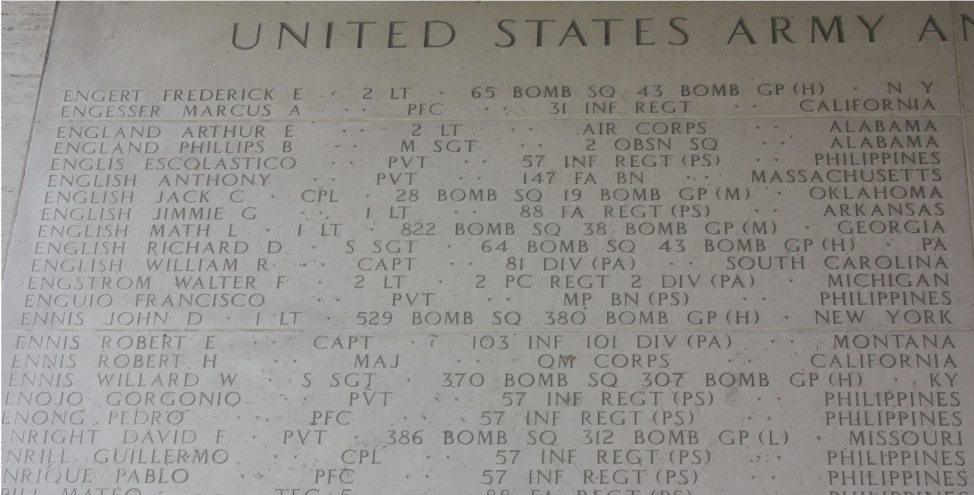
Both Gray and Thomas are memorialized at the Cambridge American Cemetery, Cambridge, England.
For more information on Deckerd Jefferson Gray visit:
https://cualumni.clemson.edu/page.aspx?pid=1606
For more information about Rueben Lafayette Thomas, Jr. see:
https://cualumni.clemson.edu/page.aspx?pid=1539
For additional information about Clemson University’s Scroll of Honor visit:
https://cualumni.clemson.edu/scrollofhonor
Additional resources: http://uboatarchive.net/
http://www.newenglandhistoricalsociety.com (Dixie Arrow photo)
Twenty Million Tons Under the Sea: The Daring Capture of the U-505
by Daniel V. Gallery, Rear Admiral, USN (Ret.)

 Coronavirus pandemic has left campus and downtown Clemson with only a tiny fraction of its normal population. It is strange to note the absence of students on the grassy expanse of Bowman Field–strange, but not unprecedented.
 mission piloted by Second Lieutenant Henry Rogers. At an altitude of 20,000 feet, one of the outboard engines began to overheat, so Rogers feathered it in an attempt to cool it off. According to the official crash report, the aircraft then became “hard to control” so Rogers feathered the other outboard engine as well. With two engines feathered, the aircraft could not maintain altitude.

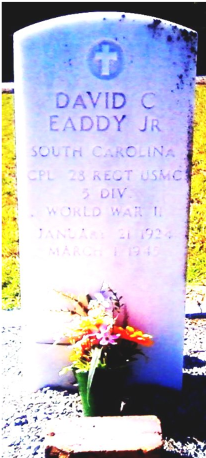
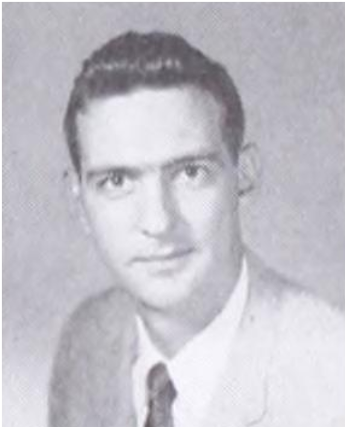
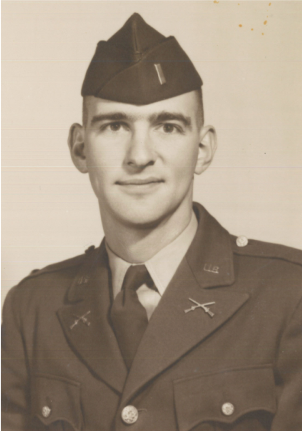
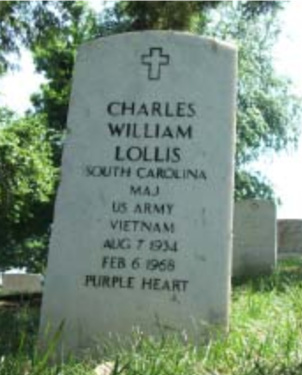
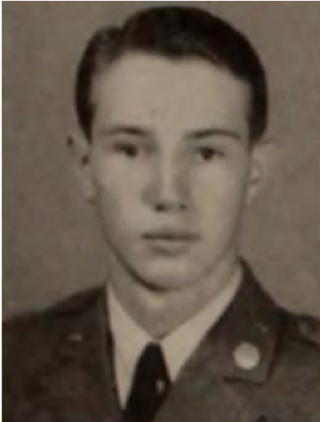
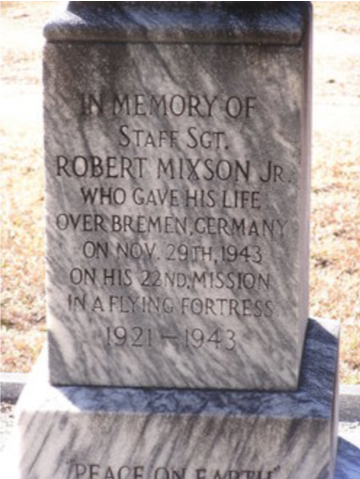
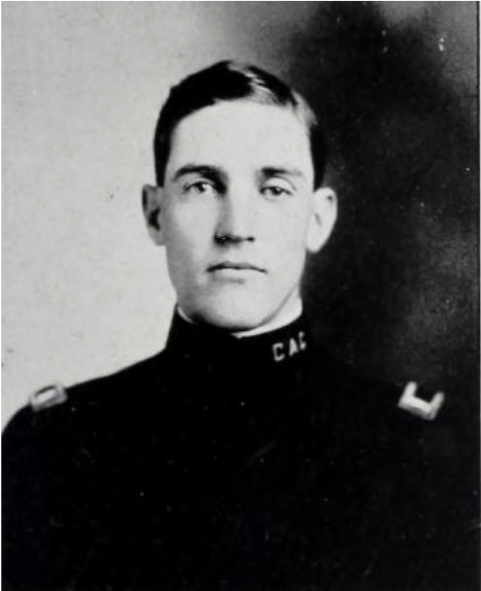
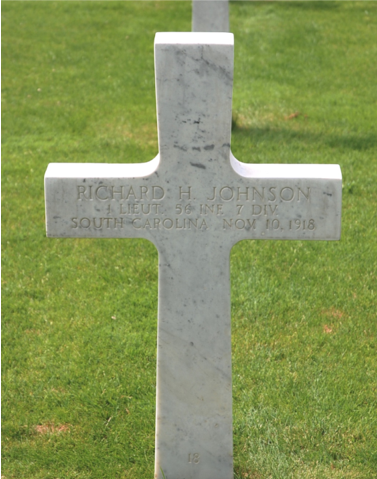
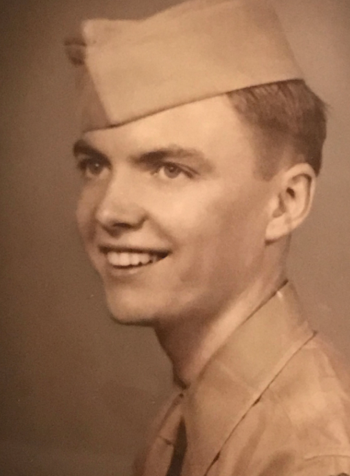
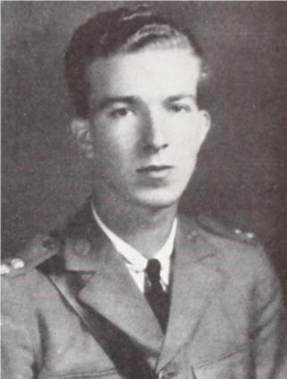
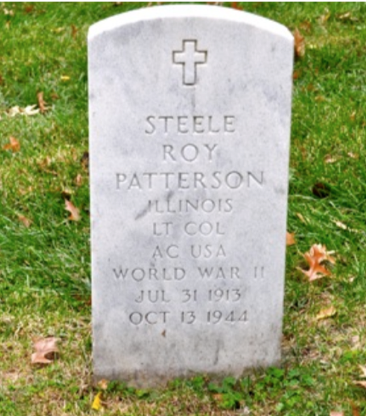
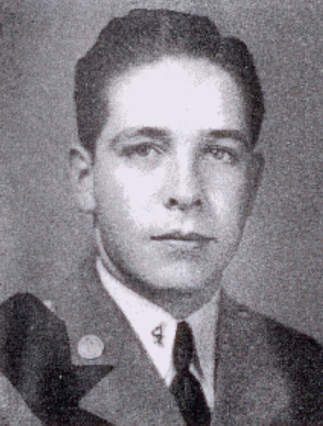
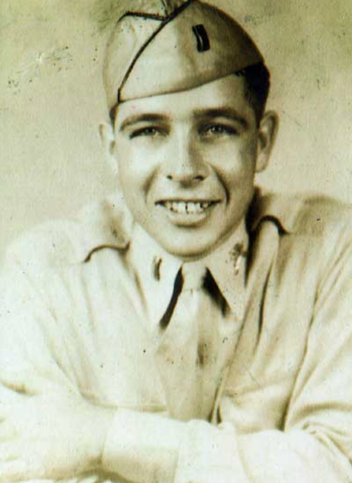
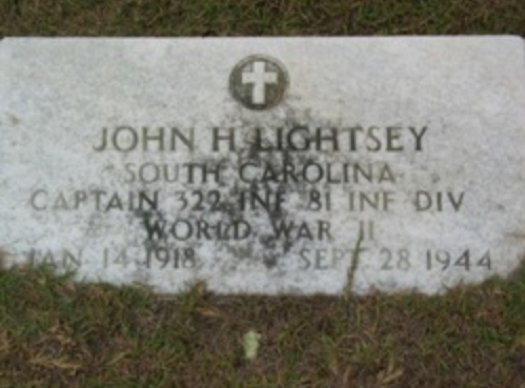
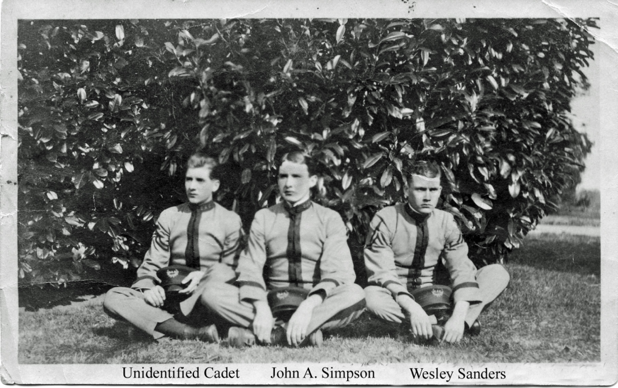
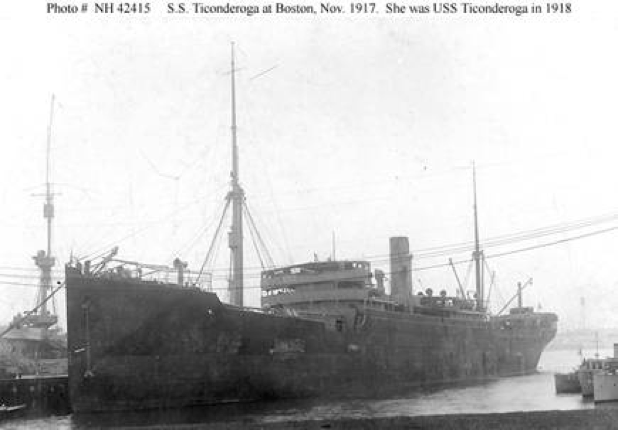
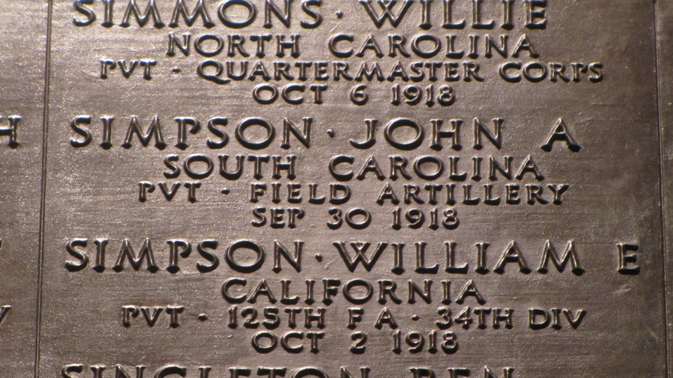
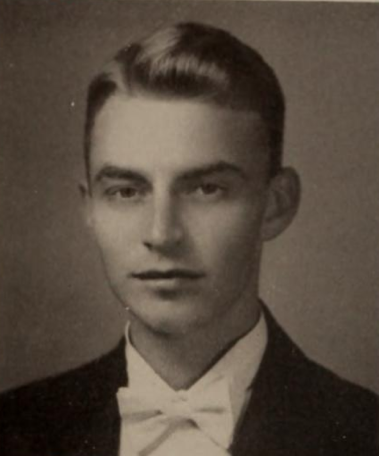
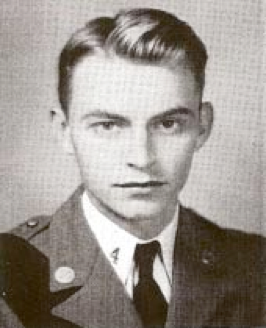
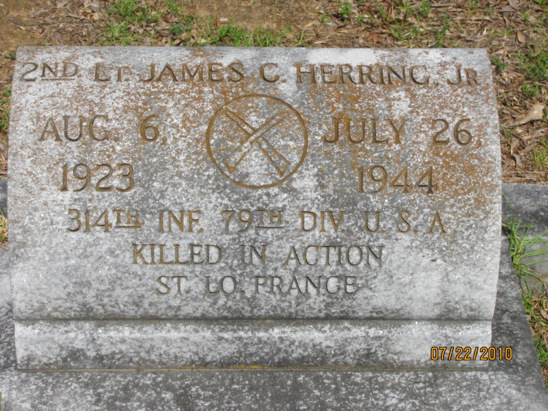
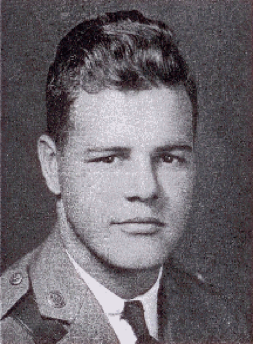
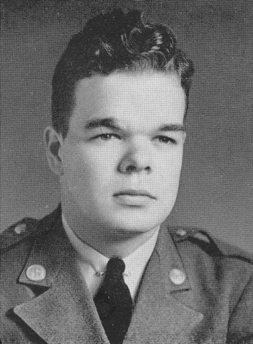
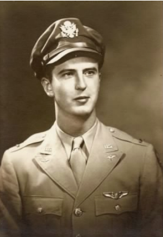
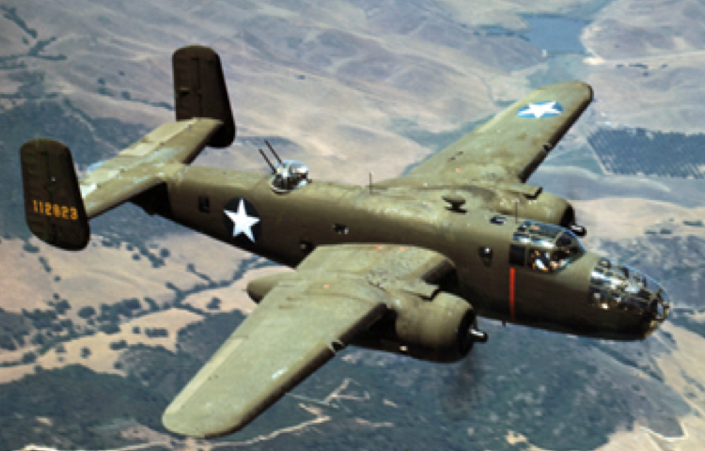
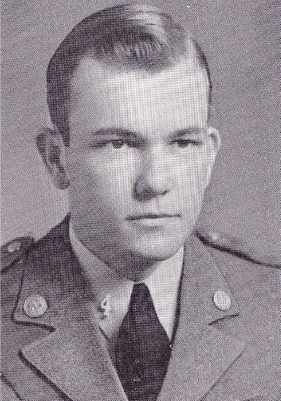
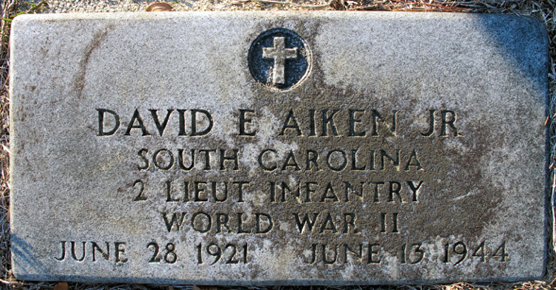
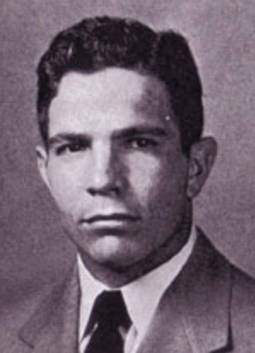
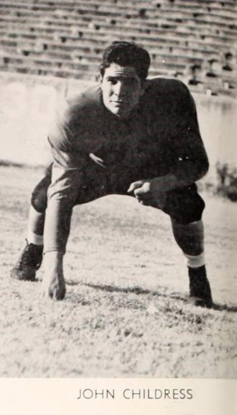
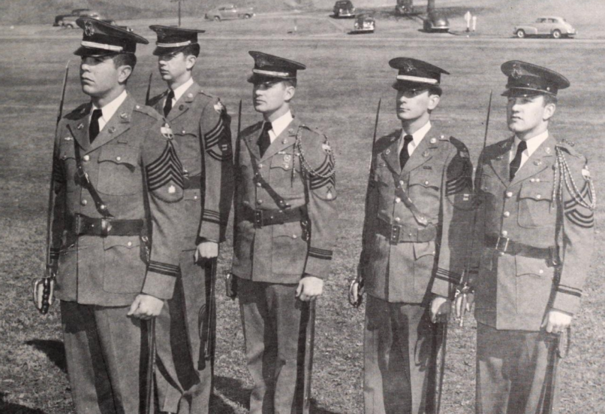

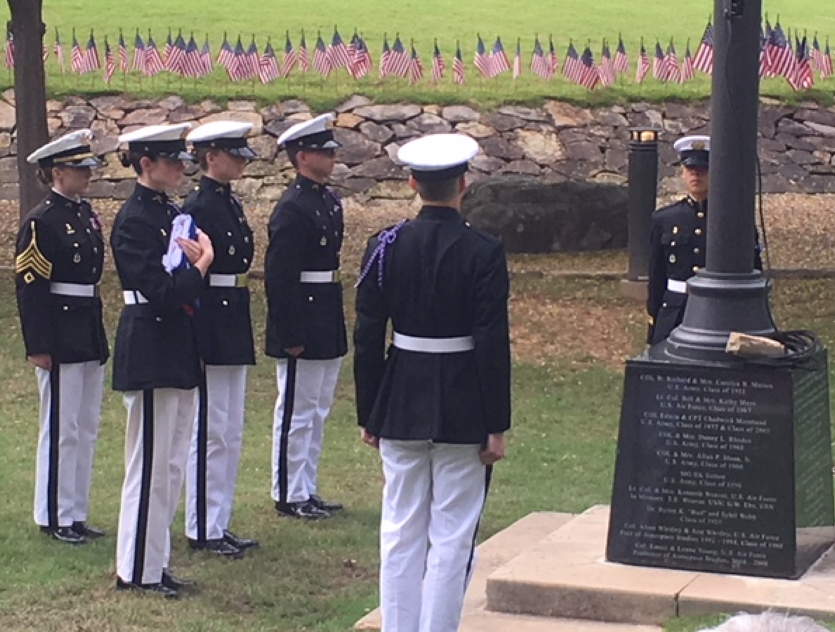
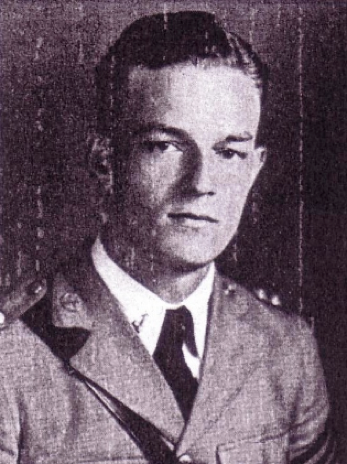
 the hazing and harassment of their Rat seasons, the academic rigors of their sophomore years, and the increasing responsibilities that fell on their shoulders as juniors, these young men would have been looking ahead to the senior year, when they would have taken command of the Corps of Cadets and would have left their mark on the Clemson College campus. Instead, all too many of them would leave their lives on the world’s battlegrounds.
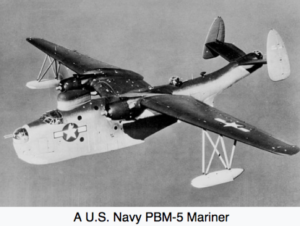 onboard his patrol aircraft as Lieutenant (j.g.) Roland Cocker lifted the seaplane into the sky.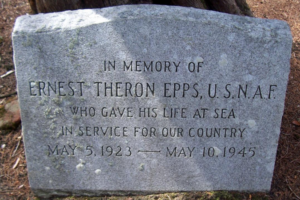
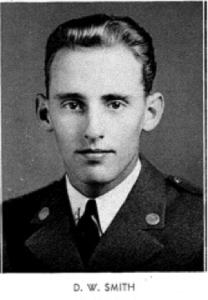 These young men embarked on their cadet journey when the distant rumblings in Europe and the Pacific could still be eclipsed by the rigor of the classroom, the comradery of the barracks and the excitement of fall football games. As their academic careers progressed, so too did those distant rumblings evolve into menacing claps of thunder. By the time Dan Smith and his classmates graduated in the spring of 1941, the world, if not the United States, was already at war. Japan had invaded China, the first of a long line of Pacific conquests. Germany had occupied the Rhineland, annexed Austria and Czechoslovakia, then invaded Poland, Denmark, Norway, Belgium, Luxembourg, the Netherlands and France. Before that hot summer was over, Hitler’s forces would be rolling toward Moscow. Soon, Smith and his classmates would be called to their country’s colors.
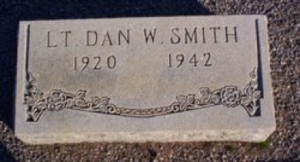 his brother Lybrand, then on active duty in Mississippi, and his brother Herbert. He was interred in the Williston Cemetery.
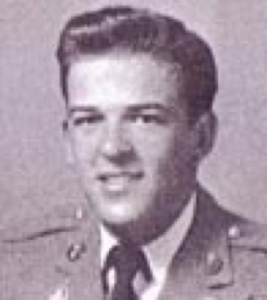 crossroads of North, South Carolina, graduating from the public schools there and belonging to the Methodist Church. He was the town’s first Eagle Scout and when it came time for college, he selected the small military school in the northwest corner of the state at Clemson.
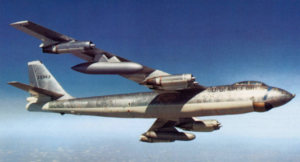 altitude to avoid enemy interceptor aircraft. Its primary mission was as a nuclear bomber capable of striking the Soviet Union. Initial mission profiles included the loft bombing of nuclear weapons. In loft bombing, the attacking bomber pulls upward when releasing its bomb load, adding to the bomb’s flight time and giving the aircraft extra time to get away from the blast effects of the bomb, particularly important if the bomb is a nuclear device. The problem with loft bombing is that its repetition in training stresses the airframe and may cause metal fatigue.
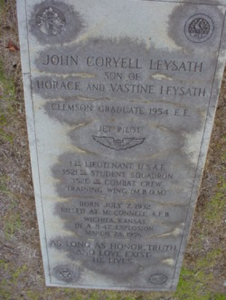 in Pen Branch Cemetery. He was survived by his parents, Mr. and Mrs. Horace H. Leysath, one sister and one brother. In its obituary of the young lieutenant, The State newspaper wrote that his was “a life of outstanding accomplishment.”
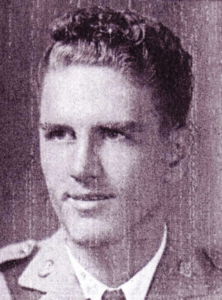 the pilot of the aircraft had to be proficient in aiming his plane at the target. The only way to achieve the level of skill demanded in combat was to train.
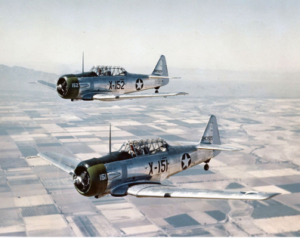 in the European Theater, Smith took part in a training flight as a passenger in an AT-6A Texan. The AT-6 was an advanced trainer used by the Army Air Force, the Navy (as the SNJ) and the British (as the Harvard). Smith would be flying in aircraft #41-528 on a simulated dive bombing mission just north of Eglin’s auxiliary field No. 4. The pilot of the aircraft was Second Lieutenant Richard Baldsiefen.
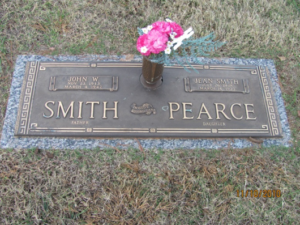 was buried at Woodlawn Cemetery. He was survived by his wife Margaret and daughter Jean.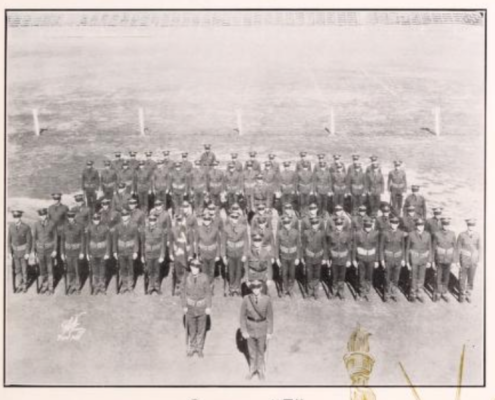
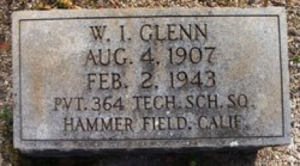
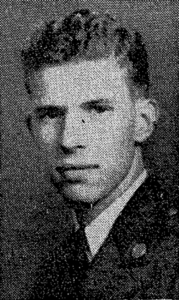 things had been changing for several months by then. The Japanese had attacked Pearl Harbor in December of ’41, then Hitler had declared war on the United States and Congress had returned the sentiment. A lot of cadets left school to join up, most with the Army, but a number in the Navy and Marines as well. By the spring of 1943, the War Department had decreed that graduating seniors would immediately enter service—and so would the rising juniors, who would forego their final year of college.
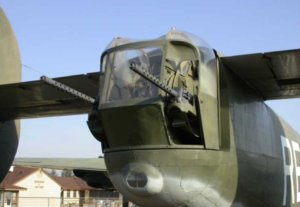 heavy bomber piloted by Second Lieutenant Joseph O’Neal of Beckley, West Virginia, was alerted for a bombing mission against the railroad marshaling yards at Linz, Austria, about 460 miles to the north. As the rear turret gunner, Corporal Mitchell’s “desk” looked out from the rear of the aircraft. Sitting in the tail of the aircraft, Mitchell was the farthest crew member from the flight deck from where the pilot and copilot flew the plane.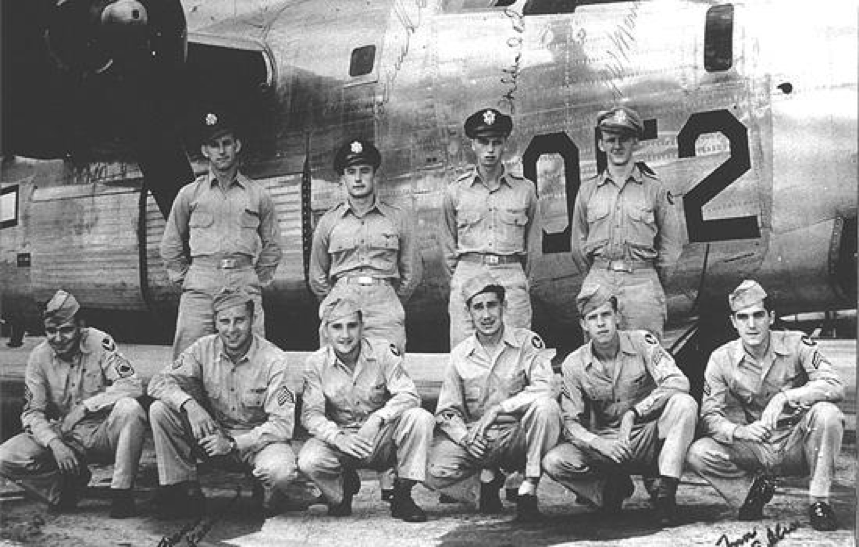
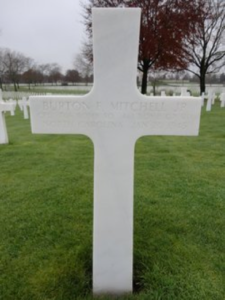 by anti-aircraft fire. Two of these, including Mitchell’s, exploded before they could roll out of the formation on the bomb run. Their explosions caused the other planes in the formation to take evasive action to avoid colliding with the fatally wounded aircraft. As a result, the bombs were scattered over a comparatively large area at the extreme northern end of the marshalling yard.
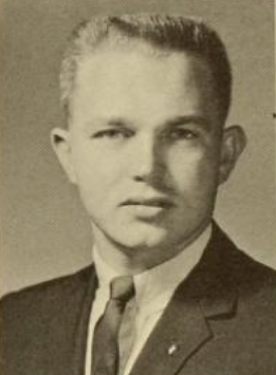
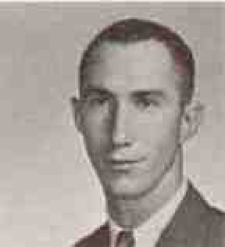 An agronomy major, John remained in school through his sophomore year before joining the Peace Corps. He spent two years serving in East Pakistan, what is now Bangladesh. That experience, recalled his friend John Fuller, imbued LaHecka with greater maturity and thoughtfulness.
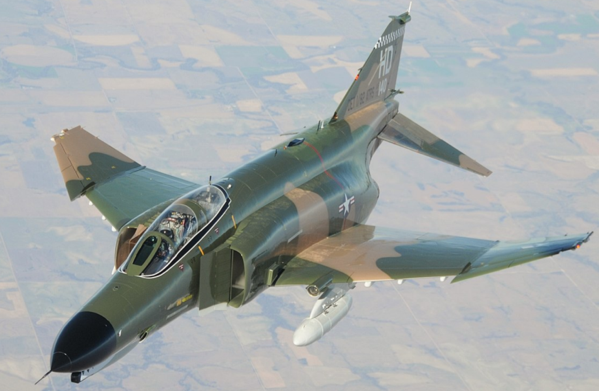
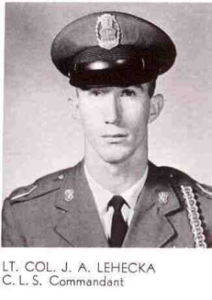 Air Force Base in the Philippines. The two lieutenants arrived at Tan Son Nhut Air Base, Vietnam on July 30, 1969 and were assigned to the 20th Tactical Air Support Squadron at Pleiku Air Base in the Central Highlands. Since neither officer had previous experience flying fighters, they were categorized as Class B FACs, meaning that, by prior agreement between the turf conscious Army and Air Force, they were not allowed to control airstrikes for American ground troops. As a result, LaHecka and Fuller found themselves flying out-country interdiction missions along the infamous Ho Chi Minh Trail along the borders of Laos, Cambodia and Vietnam.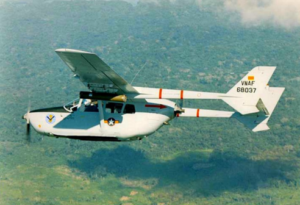
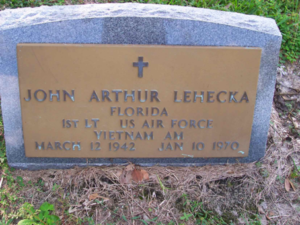 He was survived by his wife, the former Charlotte Featherson.
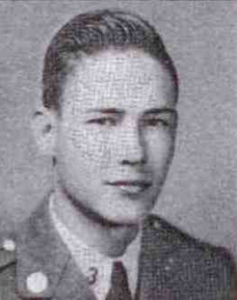 campus in the late summer of 1940, when the United States was at peace. They would leave Clemson College before graduation, their services required by a country engaged in a worldwide conflagration.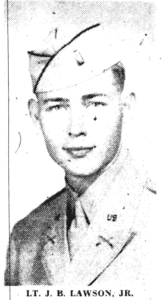
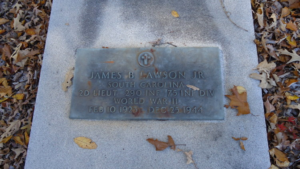 He is buried at Sandy Springs United Methodist Church Cemetery.
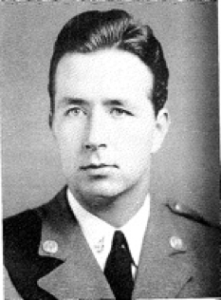 campus in the late summer of 1938, no one could have imagined what lay in wait for the boys of the Class of 1941.